Understanding Residential Photovoltaics
An overview of photovoltaic panel types, roof mounting configurations, grid connection options, and energy output estimation for homes in Poland.
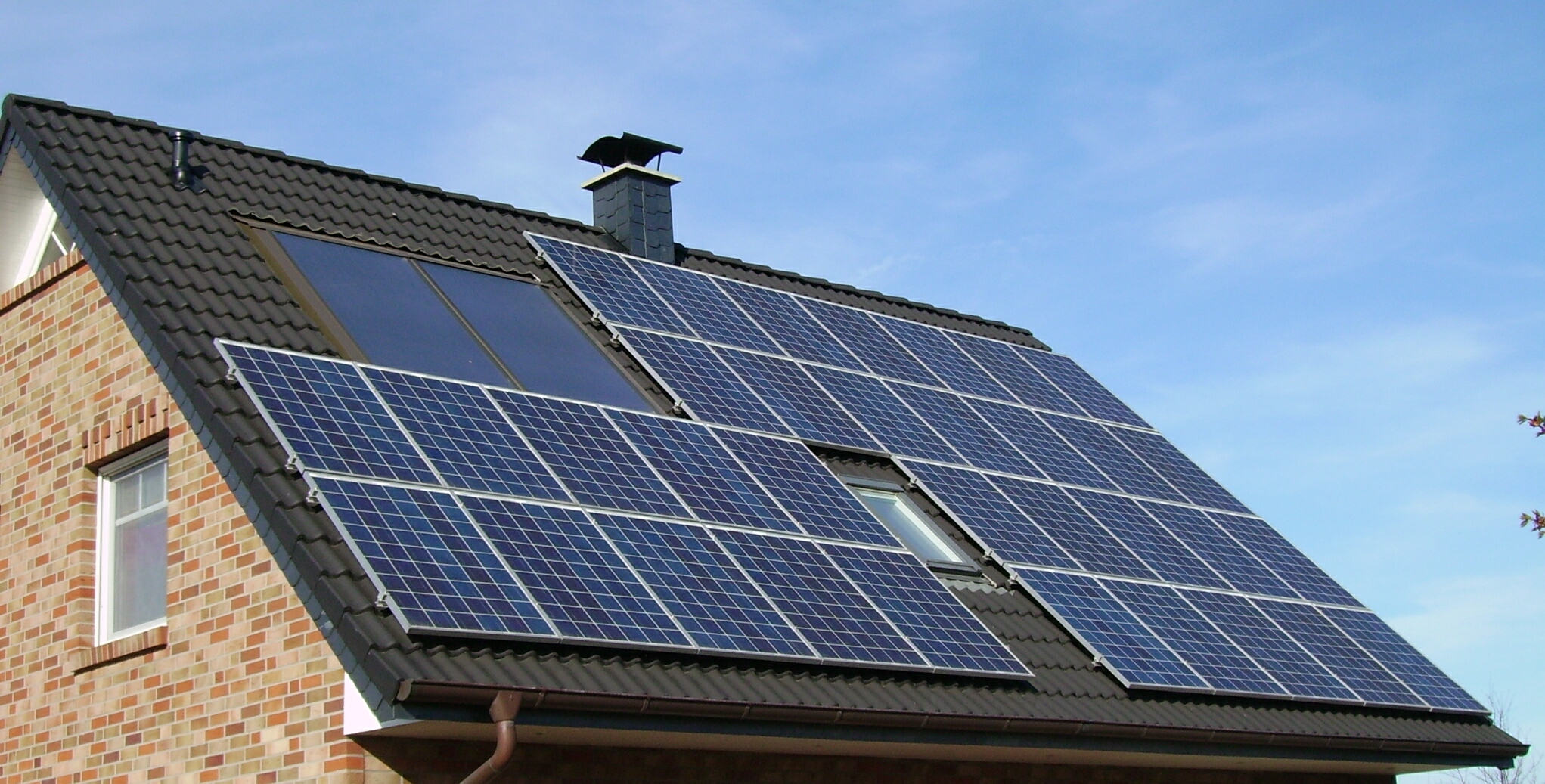
Key Topics
What This Site Covers
Each section focuses on a specific aspect of residential solar installations — from panel technology to the practical steps of connecting to the Polish electricity grid.
Panel Technology
Monocrystalline, polycrystalline, and thin-film panels differ in efficiency, cost, and suitability for specific roof conditions. Understanding these differences helps in choosing the right configuration for a given property.
Roof Mounting
The structural approach — on-roof, in-roof, or flat-roof ballasted racking — affects both the installation process and the long-term performance of a photovoltaic array. Roof pitch, orientation, and material all factor into the choice.
Grid Connection in Poland
In Poland, residential photovoltaic installations are governed by specific regulations regarding prosumer status, net-billing settlements, and the technical requirements for connecting to the distribution network.
Articles
Detailed Guides
Three focused articles covering the core elements of a residential photovoltaic installation.
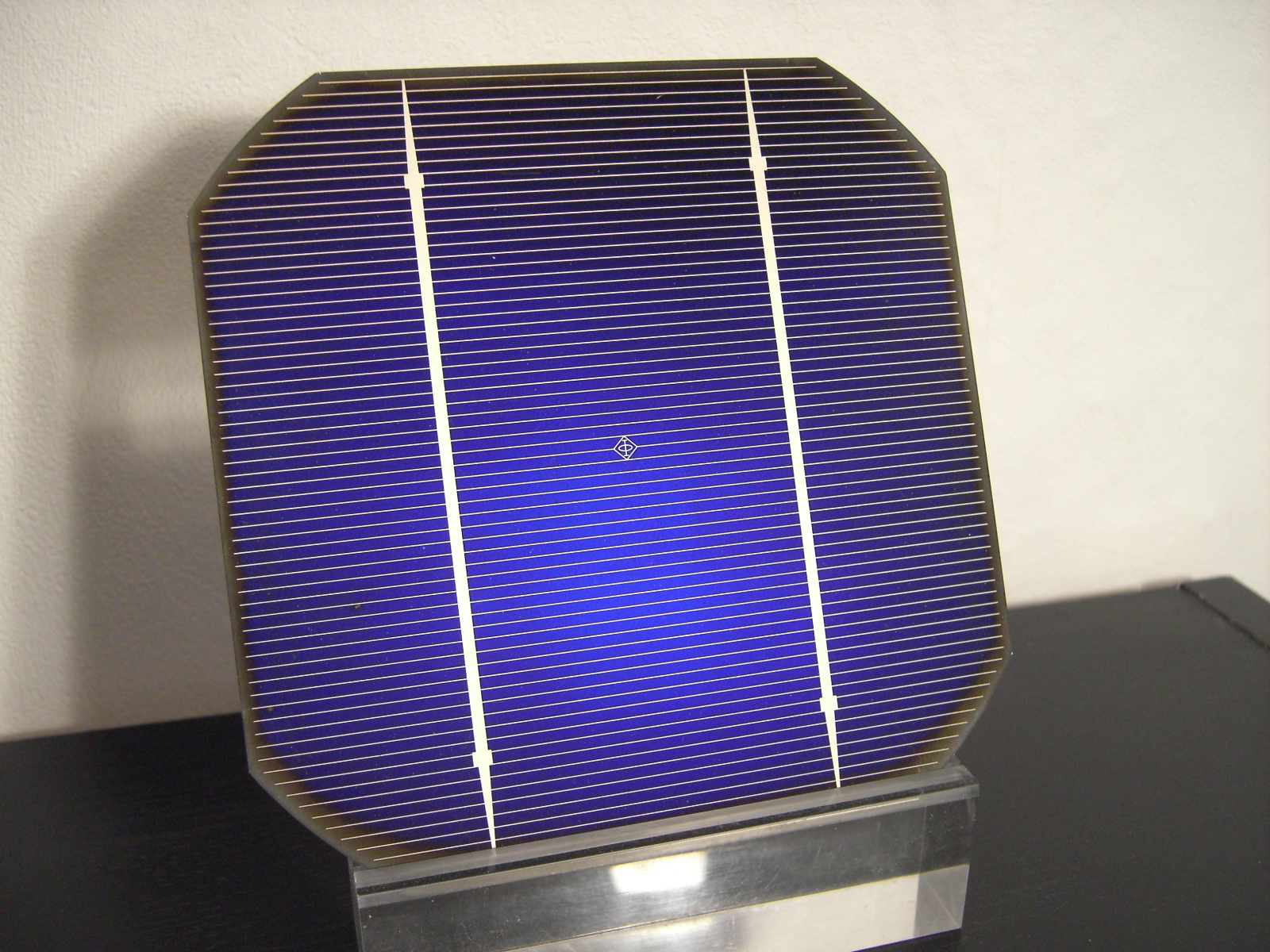
Panel Technology
Types of Photovoltaic Panels for Home Use
A comparison of monocrystalline, polycrystalline, and thin-film panels — including efficiency ranges, temperature behaviour, and typical use cases for residential rooftops in Poland.
Read article →
Installation
Roof Mounting Systems for Solar Panels
On-roof rails, in-roof integrated systems, and flat-roof ballasted frames — how each mounting approach works, its structural requirements, and waterproofing considerations.
Read article →
Grid & Output
Grid Connection and Energy Output in Poland
How residential systems connect to the Polish distribution grid, prosumer regulations under the Energy Law, net-billing settlements, and tools for estimating annual energy production.
Read article →Poland Context
Solar Conditions in Poland
Poland has a temperate climate with meaningful seasonal variation in solar irradiance. Southern regions receive more annual sun hours than the north, which affects installation sizing decisions.
Irradiance and Climate
Annual global horizontal irradiance in Poland ranges from roughly 1,000 to 1,100 kWh/m² depending on location. The south of the country — areas around Kraków, Rzeszów, and the Tatry foothills — consistently receives more solar energy than Pomerania or Masuria. Summer months account for the majority of annual production, while December and January contribution is limited.
Regulatory Framework
The Polish Act on Renewable Energy Sources (ustawa o OZE) and the Energy Law define the framework for prosumer installations. Since April 2022, new connections use a net-billing system rather than the previous net-metering model. The distribution system operator (DSO) responsible for connection approval is typically Tauron, PGE Dystrybucja, Enea, Energa, or Stoen depending on the region.
Contact
Get in Touch
Questions about the content on this site? Use the form below.